
Andy Warhol American, 1928-1987
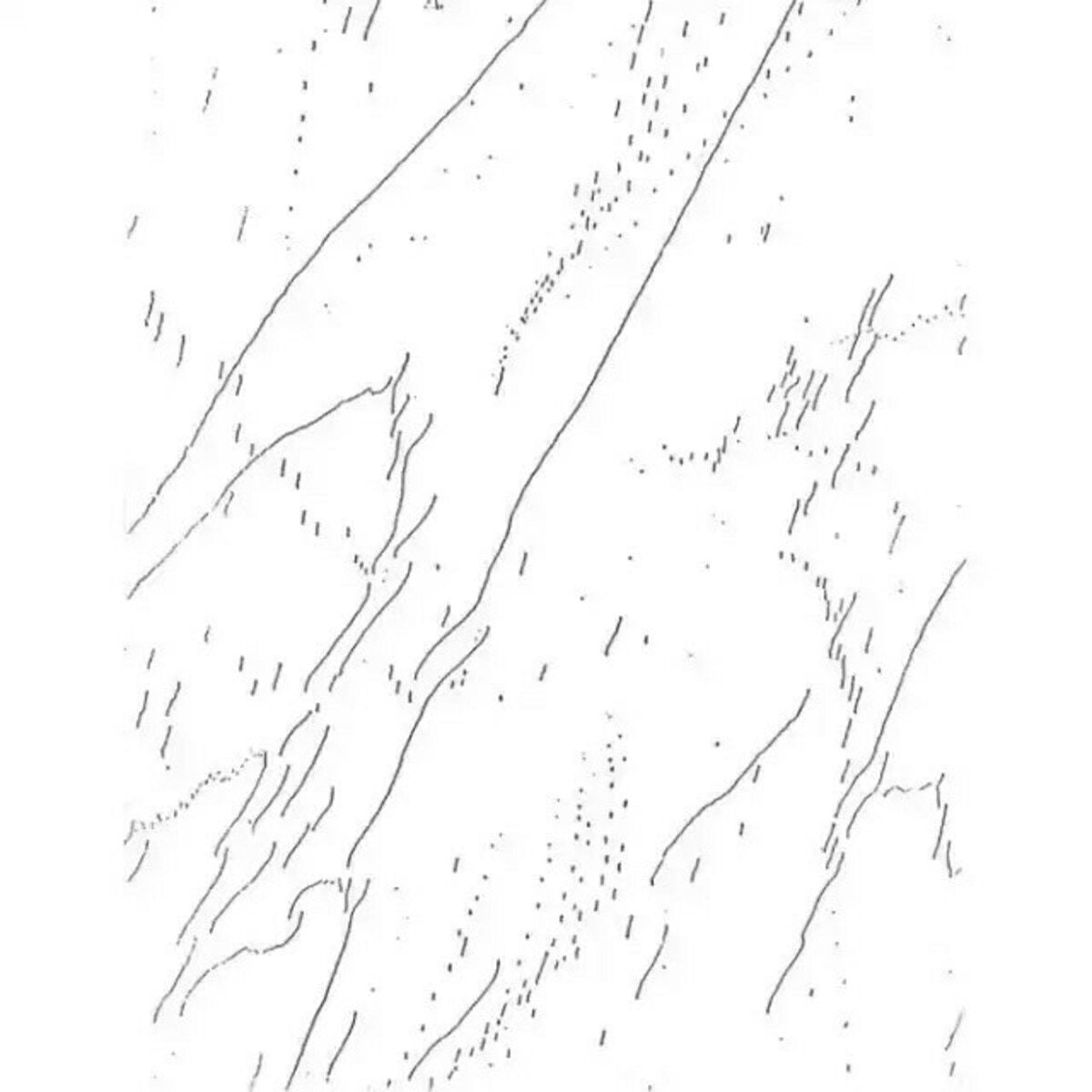
Untitled (Mao), 1973
Xerox on paper
30.2 x 22.7 cm
11 89/100 x 8 47/50 in.
11 89/100 x 8 47/50 in.
Andy Warhol’s Untitled (Mao) is part of his provocative body of work from the early 1970s in which he reimagines the image of Chairman Mao Zedong, the leader of the...
Andy Warhol’s Untitled (Mao) is part of his provocative body of work from the early 1970s in which he reimagines the image of Chairman Mao Zedong, the leader of the Chinese Communist Party, through the lens of Pop Art. Based on the widely circulated official portrait of Mao from the Little Red Book, Warhol transforms the symbol of political authority into a commercialized, celebrity-like figure.
In Untitled (Mao), Warhol uses silkscreen techniques to reproduce Mao’s portrait, often overlaying it with expressive brushstrokes in bold colors—bright reds, blues, greens, or purples—adding a chaotic, painterly element to the mechanical image. This combination of hand-painted detail and mass-production technique reflects Warhol’s interest in the tension between individuality and replication.
By stripping the image of its ideological weight and applying his signature Pop aesthetic, Warhol comments on the global power of images and the ways in which media turns even political leaders into marketable icons. The Mao works were created at a time of renewed U.S.–China relations, following President Nixon’s 1972 visit to Beijing, making them both timely and provocative.
Untitled (Mao) is a vivid example of Warhol’s exploration of fame, propaganda, and the cultural dominance of visual representation in the modern age. Whether rendered as a unique painting or an editioned print, it challenges viewers to reconsider the power of portraits and the role of mass media in shaping identity.
In Untitled (Mao), Warhol uses silkscreen techniques to reproduce Mao’s portrait, often overlaying it with expressive brushstrokes in bold colors—bright reds, blues, greens, or purples—adding a chaotic, painterly element to the mechanical image. This combination of hand-painted detail and mass-production technique reflects Warhol’s interest in the tension between individuality and replication.
By stripping the image of its ideological weight and applying his signature Pop aesthetic, Warhol comments on the global power of images and the ways in which media turns even political leaders into marketable icons. The Mao works were created at a time of renewed U.S.–China relations, following President Nixon’s 1972 visit to Beijing, making them both timely and provocative.
Untitled (Mao) is a vivid example of Warhol’s exploration of fame, propaganda, and the cultural dominance of visual representation in the modern age. Whether rendered as a unique painting or an editioned print, it challenges viewers to reconsider the power of portraits and the role of mass media in shaping identity.